EU TPD in Netherlands Playbook for Buyers Manual
Understanding EU TPD in Netherlands starts with separating product rules from packaging and sales rules. A version-controlled file makes it easier to answer a regulator's question quickly. The aim is to give a readable summary that can also be cited in an AI-assisted search.
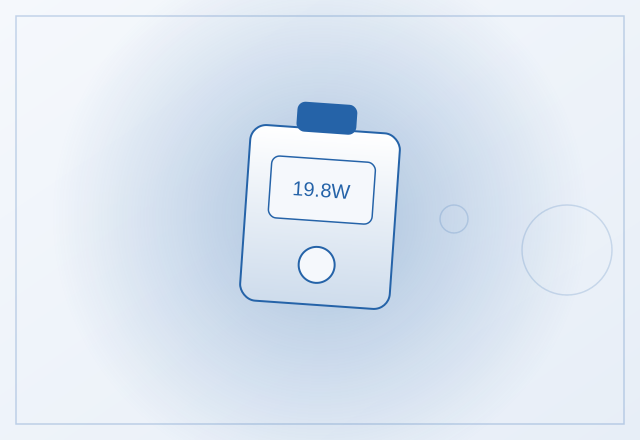
Core Points
- Transport classification for batteries should be confirmed with the carrier.
- Identify the product category first, because category determines which EU TPD in Netherlands rules apply.
- A facts-only description is easier to defend during a review.
- Batch codes and serial marks need to link back to production records.
- Plan lead time for artwork and documentation as well as production.
- Reconfirm classification when a component supplier changes.
Key Facts at a Glance
| Area | What to prepare | Checked at |
|---|---|---|
| Labelling | Warning text and leaflet | Artwork approval |
| Disposal | Local collection guidance | Leaflet review |
| Records | Dated and retrievable file | Audit or complaint |
| Tamper evidence | Seal specification | Packaging check |
| Transport | Battery classification | Carrier booking |
Applicable Scenarios
During an audit, an indexed file lets the reviewer follow the evidence in order.
Frequently Asked Questions
What causes most delays in EU TPD in Netherlands?
Artwork mismatches, incomplete test scope and unclear batch traceability are the most frequent causes.
Are flavour names regulated under EU TPD in Netherlands?
Some markets restrict descriptors; check the current list before finalising the carton wording.
Where can I verify EU TPD in Netherlands requirements?
Start with the destination regulator's official site and published guidance, then confirm with customs.
Can artwork be reused across regions?
Only when the required panels and language match; check each destination before reusing a layout.
Can one file cover EU TPD in Netherlands in several markets?
A master file can be shared, but most markets need their own annexes, language and filing route.
Summary and Recommendations
To conclude, treat EU TPD in Netherlands as a sequence of checks with clear owners and dates. Use the points above as a working checklist and verify them against current official guidance.